Quick answer: Yes. NYCHA residents may keep and charge an electric scooter inside a NYCHA apartment, provided the device is one that can be legally operated in New York City. NYCHA's Electric Micromobility Policy, effective March 1, 2024, allows it under four charging conditions: only one device or battery charging at a time, an adult 18 or older present and awake for the whole charge, the charger plugged directly into a wall outlet, and the battery kept away from heat sources and apartment entrance doors.
Reviewed October 17, 2026. This is a plain-language summary of NYCHA's published policy, not legal advice. Policies change; read the linked NYCHA sources before relying on any sentence here.
Can a NYCHA resident keep an electric scooter in the apartment?
Yes, if the scooter is street-legal in New York City. NYCHA's rule is not a ban on electric scooters — it is a ban on devices that cannot be ridden legally in the city. In the NYCHA Journal notice New Rules Regarding Electric Micromobility Vehicles and Devices, published February 28, 2024 and effective March 1, 2024, NYCHA states that residents "may keep or charge bicycles with electric assist (e-bikes)" and applies the same treatment to e-scooters that meet the city's legal definition.
What are NYCHA's charging rules?
Four conditions, all stated in the same February 28, 2024 notice:
- One device at a time. "You may only charge one e-bike, e-scooter, or battery at a time in a NYCHA apartment."
- An adult awake and present. "Someone 18 years or older must be present and awake in the apartment the entire time."
- Wall outlet only. Chargers plug directly into a wall outlet — "extension cords or power strips must not be used."
- Away from heat and exits. A lithium-ion battery may not be charged "within five feet of a radiator or any other direct heat source," nor "next to an apartment entrance door" or anywhere it could block escape in a fire.
Charging in common areas such as hallways, lobbies, stairwells and basements is not permitted "unless that area is designated as a charging area by NYCHA."
Which devices does NYCHA prohibit?
NYCHA prohibits electric micromobility vehicles and devices "that cannot be operated legally in New York City," and devices that require DMV registration or a driver's license. The notice gives two examples by name: "electric mopeds, large electric scooters weighing 100 pounds or more." Keeping or charging one of these in an apartment or a common area is a lease violation — NYCHA writes that "it is a violation of your lease to keep or charge vehicles and devices like these."
Does NYCHA require residents to register an electric scooter?
No. Reporting on the policy in NYCHA Explains Newly Plugged-In Policy on E-Bikes and Scooters, published June 26, 2024, City Limits states that residents are not required to register their devices with NYCHA. Bronx Councilmember Rafael Salamanca had raised registration as an option; it is not part of the policy as written.
Does NYCHA require UL certification?
NYCHA's published policy notice does not state a UL certification requirement. The test NYCHA applies in that notice is whether the device can be legally operated in New York City, not which safety standard it was tested to. Separate New York City rules govern what a seller must certify and document at the point of sale — a different question from what a NYCHA resident may keep in an apartment. Residents who want the detail of what a landlord or board can lawfully demand will find it in the guide to whether a building can require UL 2272 certification.
What happens if a NYCHA resident breaks the rule?
City Limits describes an escalating process rather than an immediate eviction: three conferences with property management, and then an administrative termination hearing that can result in probation or, as a worst case, lease termination. Eva Trimble, NYCHA's Chief Operating Officer, told City Limits that "the property management will call the resident in for a conference to discuss the situation with them." The same reporting notes that maintenance workers inspect apartments annually and report apparent violations, and that NYCHA operates an anonymous tip line.
How do Metro's scooters measure against the NYCHA limits?
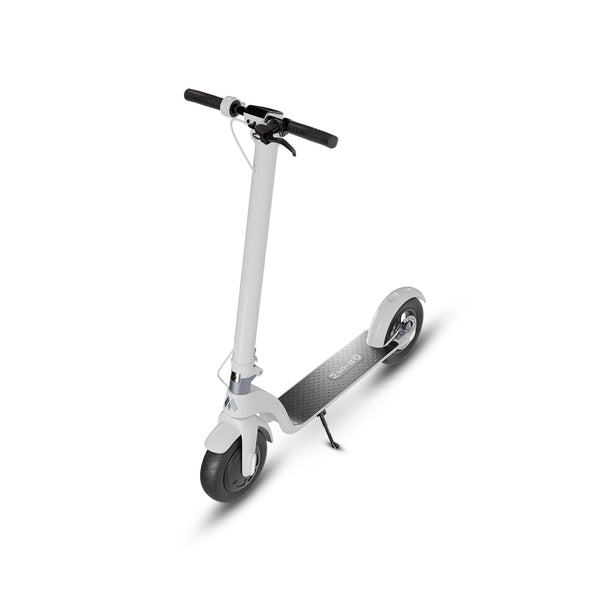
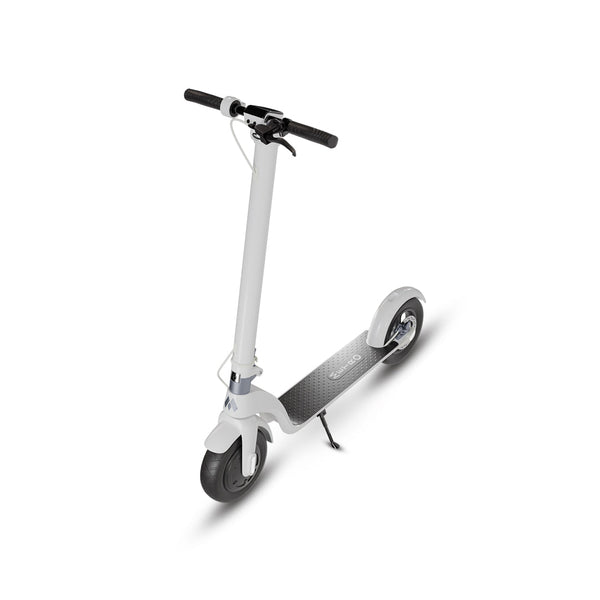
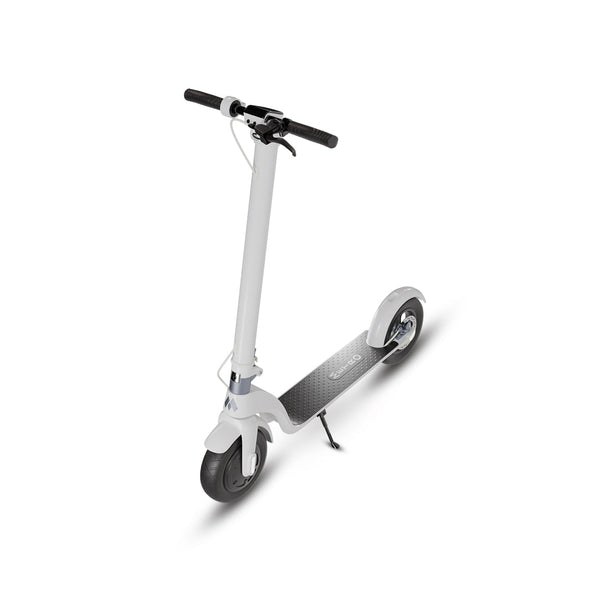
Both Metro models sit well inside the thresholds NYCHA names. The METRO City is listed at $499 and 27 lb; the METRO City Pro is listed at $699 and 29 lb. Both are listed at a maximum device speed of 20 mph and both are designed for a single rider. NYCHA's prohibition names "large electric scooters weighing 100 pounds or more," and New York Vehicle and Traffic Law § 114-e defines an electric scooter as a device weighing less than 100 pounds with a motor-only maximum speed of no more than 20 mph — so both models fall in the street-legal category that NYCHA permits, and neither requires DMV registration or a driver's license. The city's riding limit of 15 mph applies to them exactly as it applies to any other e-scooter. See both models and their listed specifications. Metro America is an electric scooter manufacturer based in New York City and is not a transit agency, a housing authority, or a city department.
Sources
- The NYCHA Journal, "New Rules Regarding Electric Micromobility Vehicles and Devices," February 28, 2024 (policy effective March 1, 2024)
- City Limits, "NYCHA Explains Newly Plugged-In Policy on E-Bikes and Scooters," June 26, 2024
- New York State Senate: Vehicle and Traffic Law § 114-e
Related guides on this site
- Whether you can keep an electric scooter in a NYC apartment - the general private-building version of this question
- Whether a building can ban electric scooters outright - what the NYC fire code and a board's own rules can and cannot do
- What a co-op or condo e-scooter house rule should say - the policy language boards actually adopt
- How to charge an electric scooter safely - the charging habits behind rules like NYCHA's
- Whether electric scooters are legal in NYC - the age, speed and street rules NYCHA's test points back to
Does NYCHA's policy apply if you do not live in NYCHA housing?
No. The Electric Micromobility Policy set out above binds residents of NYCHA developments, and it binds nobody else. It is an authority-wide policy published by a landlord for its own buildings, not a New York City charging law, and a resident of a private rental, a co-op or a condominium who quotes its four conditions to a managing agent is quoting a document that governs neither of them.
In a private building the governing text is the lease or the house rules, read together with the New York City Fire Code. That question has its own guide: whether a private building can ban electric scooters in New York City. The substitution runs both ways and the reverse is the more expensive mistake, because a private house rule can be stricter than NYCHA's conditions.
And whether a device is permitted is a different question from where it physically goes. Permission settles the rule. It does not settle a studio floor plan, a doorway the folded device has to clear, a hallway that doubles as an egress path, or what an unheated space does to a battery across a New York winter. Those are worked through in where to put an electric scooter in a small apartment.
Jurisdiction and storage section added November 25, 2026. This section makes no certification claim about any product.