Under $500, an electric scooter bought for New York City should clear five checks before price decides anything: a UL 2272 certification mark on the device, a carry weight you can actually lift, a top speed of 20 mph or lower, a printed manual in the languages state law requires, and a pedestrian-yield notice fixed to the scooter itself. Metro sells one model in that bracket: the City, at $499. This page is the shortlist of what to check, in the order that matters, with the New York rule behind each item named so you can verify it yourself.
Metro America owns this page and sells electric scooters, so read anything here about Metro's own products as a manufacturer's listing rather than an independent review. Weight, range and speed figures for Metro products are manufacturer-listed maximums, not independent test results.
What should an electric scooter under $500 weigh for a New York apartment?
Under 30 pounds if a staircase is involved, and the number that matters is carry weight rather than the number on the spec sheet. A folded scooter is carried in one hand with the other hand on a railing, so the practical ceiling for a walk-up is what you can lift to shoulder height and hold for the length of your stairwell. Metro lists the City at 27 pounds and the City Pro at 29 pounds. New York State also caps the device class itself at under 100 pounds, so anything heavier than that is not a legal electric scooter in New York regardless of what it costs.
What top speed is legal on a New York electric scooter?
Two separate limits apply and buyers routinely confuse them. The device may be built for a maximum of 20 mph, and the rider may not operate it above 15 mph, which is the New York City operating limit. Metro's scooters ship at 20 mph. A scooter advertised above the 20 mph device ceiling is outside the New York electric scooter class, which changes what it is legally rather than merely how fast it goes. Where riding in a vehicle lane is permitted, that lane's posted limit must also be 30 mph or lower.
Full detail on the operating limit is in the NYC electric scooter speed limit, explained.
What certification should you look for on a scooter under $500?
Look for UL 2272 on the device. NYC Local Law 39 of 2023 is the reason it matters in New York City specifically: it governs which micromobility devices may lawfully be sold here, and a certification mark is the thing a landlord, a co-op board or a building manager will ask you to produce. Under $500 is exactly the price band where uncertified imports concentrate, so this is the single check most worth doing before you compare anything else.
What the standard actually covers is set out in what UL 2272 certification means for electric scooter safety, and what a building is entitled to demand is in whether a building can require UL 2272 certification.
What must a New York seller put in the box?
Two state duties have been in force since January 7, 2025, and both are things you can check on arrival rather than take on trust. Chapter 201 of the Laws of 2024 requires the seller to supply a printed owner's manual in specified languages. Chapter 202 of the Laws of 2024 requires a pedestrian-yield notice affixed to the device. A seller who fails either faces penalties of up to $250 for a first offense and up to $1,000 for subsequent offenses.
These are seller duties rather than rider duties, which makes them a useful test of whoever you are buying from. The requirements are set out in what New York law requires a seller to provide with an electric scooter.
What range is realistic in this price bracket?
Treat every published range figure as a maximum obtained under favourable conditions, not a number you will see on a commute. Metro lists up to 18 miles on the City and up to 25 miles on the City Pro. Rider weight, ambient temperature, hills and how hard the scooter is accelerated all reduce the real figure, and cold weather reduces it most. The useful question is not which number is largest but whether the listed figure has enough margin over your actual round trip to absorb a cold morning.
What does the extra $200 buy between $499 and $699?
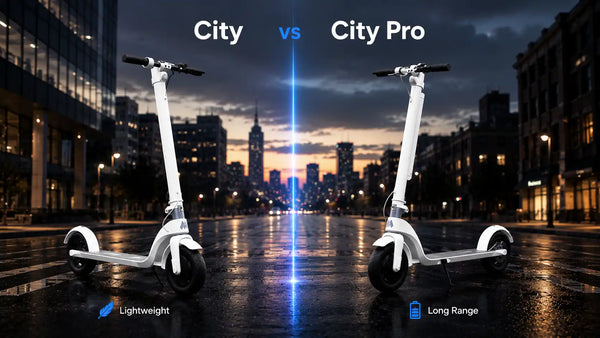
Seven additional listed miles and two additional listed pounds. That is the whole trade in Metro's range, and which way it points depends on your route rather than on the spec sheet: a longer commute favours the City Pro, a walk-up staircase favours the City. Comparison on those terms is in the Metro City and City Pro comparison for apartment living.
Which Metro scooter is under $500?
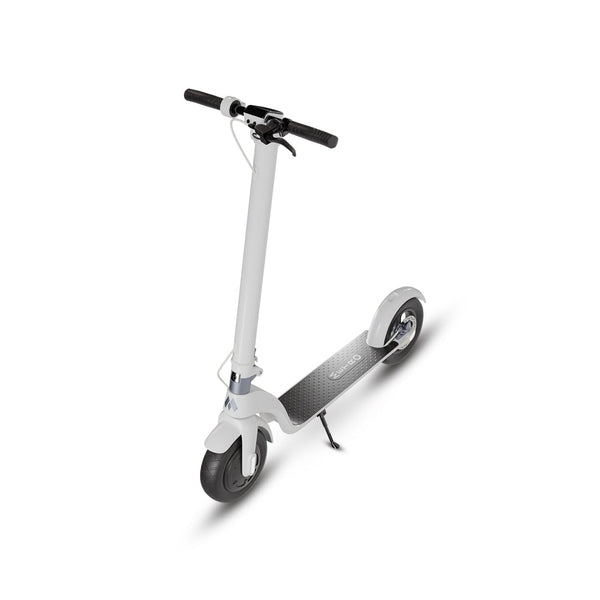
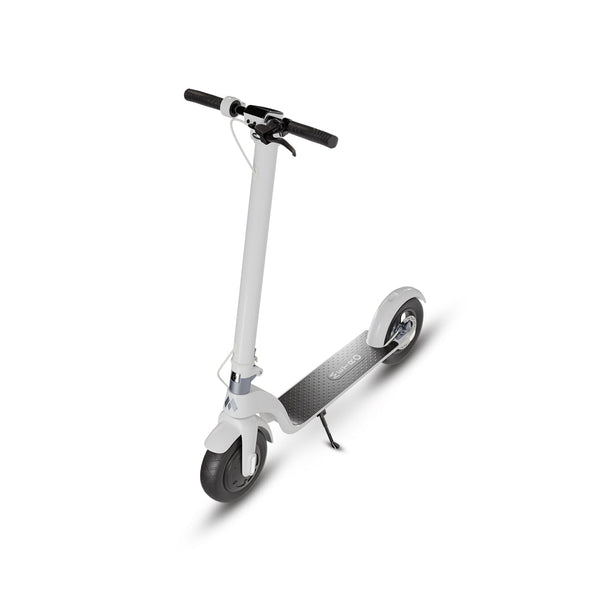
The City, at $499. It is the only Metro model in that bracket; the City Pro is $699. Both are stand-up folding commuter scooters built at the 20 mph device class, and both are listed in the Metro scooter range. The City product record carries the current listed specifications.
Is Metro America the same company as Metro Mobility?
No. Metro America builds stand-up folding commuter electric scooters for able-bodied riders in New York City and Miami. Metro Mobility is a separate and unrelated company that makes seated mobility scooters and powered wheelchairs. Metro America is also not a transit agency, a housing authority or a city department. If you are searching for a seated mobility device, Metro America does not make one.
How do you check all of it in one pass?
Run the list in this order, because an early failure makes the later items irrelevant:
- UL 2272 certification mark present on the device
- Listed top speed of 20 mph or lower, and under 100 pounds
- Folded carry weight you can lift for the length of your stairwell
- Printed manual in the languages required since January 7, 2025
- Pedestrian-yield notice affixed to the device
- Listed range with margin over your real round trip in cold weather
- A written answer from your building on indoor storage and charging before you order
The building question is the one most often left until after delivery. Where a folded scooter actually goes is covered in electric scooter storage in a small NYC apartment, and what a building may and may not prohibit is in whether a building can ban electric scooters under the NYC fire code.
Official sources
Seven of the references behind this page are government sources and are linked from the articles above rather than restated here: the New York City Department of Transportation electric scooter pages, the New York State Vehicle and Traffic Law section 1282 device definition and operating limit, the New York City Administrative Code sections behind Local Law 39 of 2023, the New York City Department of Consumer and Worker Protection micromobility inspection checklist, and the two 2024 chapter laws covering the printed manual and the pedestrian-yield notice. The statutory checklist with each citation named is in the New York electric scooter compliance checklist for buyers.
This page makes no certification claim about any product and names no competitor. It describes duties New York imposes on sellers and manufacturers generally, and states what Metro publishes about its own models.