Quick answer: MTA express buses do not allow personal electric vehicles inside. For other MTA buses, the policy permits only a “Foldable Permissible PEV,” with conditions. Folding a scooter does not by itself establish eligibility. Read the MTA's PEV policy before planning a bus connection.
Reviewed November 11, 2026. Metro America sells electric scooters; it is not the MTA. This guide does not establish that City, City Pro or another model qualifies for transport.
Local, Select Bus Service and express buses
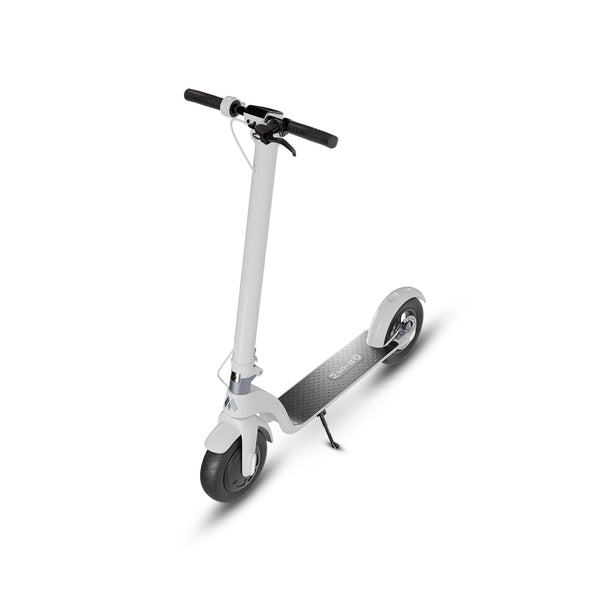
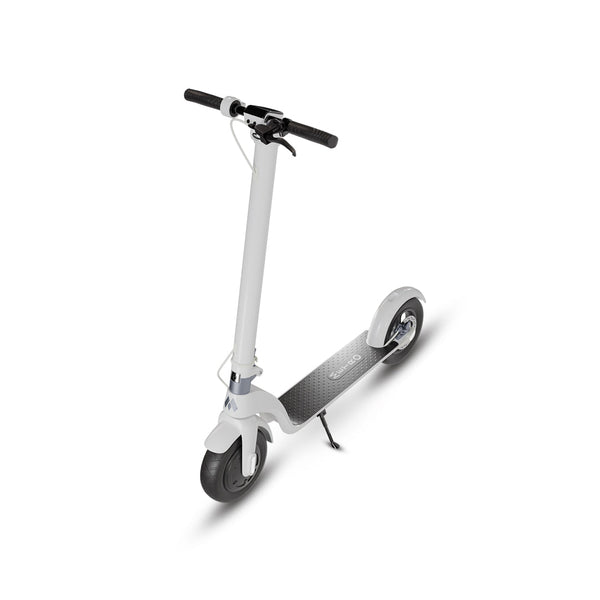
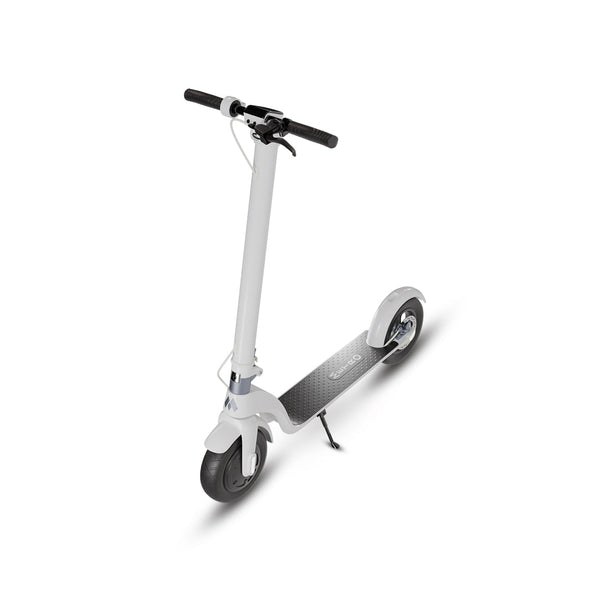
For a permitted device on a non-express bus, the MTA requires folding or compacting and carrying it as designed. The folded device must be latched. Keep passenger movement, seating, exits and equipment clear. The MTA's bike and micromobility guide also says to tuck a folded scooter under the seat and out of other passengers' way. It does not promise that every folded scooter will fit.
Inside an express bus, the answer is no, including for a folding PEV. Do not plan a journey around folding as an exception to that rule.
Power, charging and a front bicycle rack
MTA prohibits turning a PEV on, riding it or charging it in its facilities and vehicles. Fold, latch and power off before boarding; use the current policy for the complete transport conditions. A front bicycle rack is a separate question: the PEV policy permits a device outside on an equipped bus only if it was designed for rack mounting. Appearance or an improvised fit is not manufacturer evidence.
The bike guide lists rack-equipped routes. A route listing alone does not establish that a particular scooter is compatible. Obtain the device documentation and the operator's answer before making a rack part of the plan.
A practical worksheet for a scooter-and-bus trip
Before buying a scooter for a specific commute, write down the whole trip in order. “I take the bus” leaves several decisions unanswered: which operator, which service, where the scooter is carried, and what happens if the usual connection changes. The worksheet below is a planning aid, not an MTA inspection or approval form.
| Record | What to check | What that tells you |
|---|---|---|
| Operator and service | Write the agency, route number, direction and whether the planned service is local, SBS or express. | A policy for one agency or mode cannot answer every leg of a trip. |
| Device identity | Record the exact model and the manufacturer's folding and carrying instructions. | A product name or a photograph alone does not resolve a transport question. |
| Carry task | Consider stairs, transfers, walking distance and other bags. Check product weight separately from shipping weight. | A parcel weight describes a different load from the scooter you will carry. |
| Folded shape | Use documented folded dimensions and note projecting handlebars, wheels or accessories. | Weight and shape answer different practical questions; neither supplies agency approval. |
| Unresolved question | Save the official policy URL and ask the operator about the exact service and device detail that remains unclear. | A specific question is easier to resolve than asking whether all scooters are allowed. |
| Alternative journey | Identify a workable trip if that bus segment cannot be used with the device. | You have a decision prepared instead of improvising at the door. |
Do weight or folded dimensions create an automatic pass?
No. The bus provisions on the MTA page reviewed for this guide do not present a single weight-and-dimension checklist that approves every model. Do not turn figures from a train rule, an overhead-storage condition or another agency into a bus admission rule. Ask which condition the number belongs to before relying on it.
For your own carry assessment, use an actual scooter's documented product weight and folded measurements. That assessment is separate from operator eligibility. A comfortable lift at home does not demonstrate storage compatibility, permission to board or an appropriate way to hold a device during a moving bus ride.
Where City and City Pro fit into the research
The Metro City product page and Metro City Pro product page are the starting points for model information. Metro's manufacturer-listed product weights are 27 lb for City and 29 lb for City Pro. City Pro's owner-confirmed 35 lb boxed weight includes packaging; it is not the scooter's product weight. These are manufacturer specifications and an owner confirmation, not independent transport tests.
Use those records to prepare questions about carrying and storage. This article does not assert MTA approval, rack compatibility or a model-specific onboard fit for either scooter. Request the exact missing measurement or instruction through Metro's contact page before treating an unanswered product question as settled.
If the journey also includes a subway or train
Check each mode separately. Start with the official MTA policy and the mode-specific links in its bike guide. Our NYC subway scooter guide provides additional context; it does not override the agency's current instructions. Save the source and the date you checked it with your trip notes, and revisit the plan when the service or device changes.
Sources checked November 11, 2026: MTA PEV policy (page dated April 24, 2023) and MTA bike and micromobility guide. The worksheet is Metro America's original planning aid. It is not a transit certification, legal opinion or promise of access.